Dressed for the Room: How a Premium London Companion Commands Every Formal Occasion
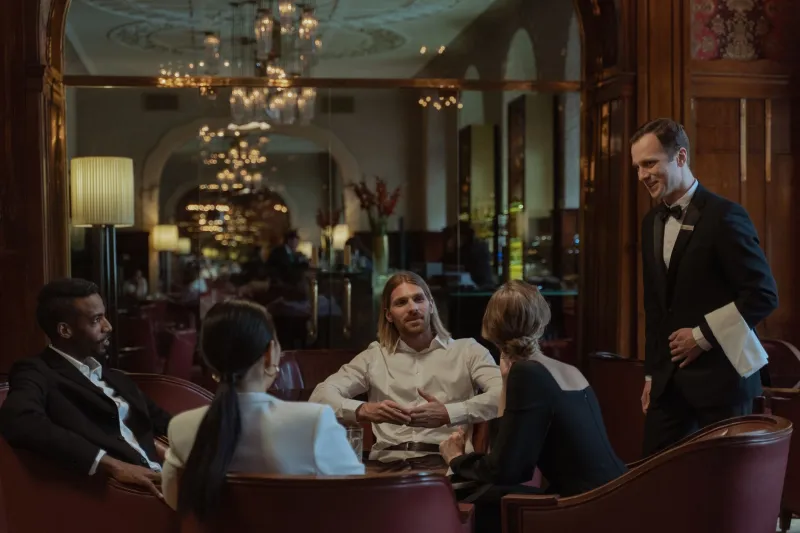
London's calendar of formal events is, by any measure, one of the most demanding social circuits in the world. The charity gala season alone — stretching from autumn through to the early months of the new year — draws together figures from finance, law, the arts, and politics under the same gilded ceilings. Corporate dinners in Mayfair carry their own unwritten codes. Black-tie evenings at the Guildhall or the Natural History Museum operate within a register of expectation that the uninitiated might underestimate.
In these environments, presence is not merely about appearance. It is about fluency — the ability to read a room, adapt one's register, and contribute to conversation in a way that reflects well on everyone at the table. A gentleman attending such occasions with a companion from Zarisa understands that the right choice of partner is, in itself, a statement of discernment.
The Social Intelligence That Formal Settings Demand
The first quality that distinguishes a truly exceptional companion at a formal event is not visible at all. It operates beneath the surface: an acute awareness of social dynamics, hierarchy, and the subtle choreography of high-society gatherings.
Knowing when to speak and, crucially, when to listen is a skill refined through experience. At a corporate dinner, a companion who can engage meaningfully with a table of senior professionals — without overreaching or appearing performative — adds immeasurable value to the evening. At a charity auction, the ability to converse naturally with patrons, trustees, and public figures requires a particular kind of composure that cannot be manufactured on the night.
Premium companions at this level are well-read, culturally informed, and capable of navigating conversation across a broad range of subjects — from contemporary art and international affairs to the nuances of London's own social landscape. This is not accidental. It is the product of genuine intellectual curiosity and the professional commitment to being an asset in any setting.
Wardrobe as Communication
At a black-tie event, clothing is never merely clothing. It is a form of communication — one that signals understanding of context, respect for the occasion, and a sense of personal style that sits comfortably within the expected parameters without disappearing into anonymity.
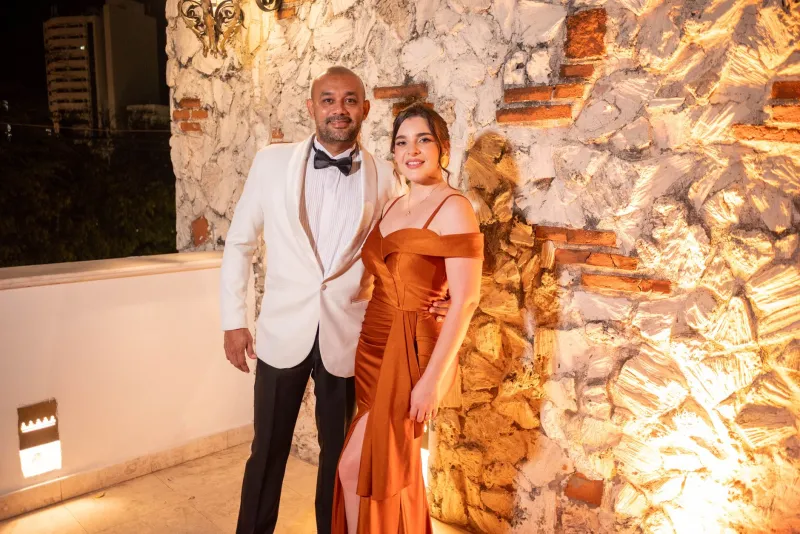
A companion who attends a formal engagement with a gentleman from Zarisa will arrive dressed with considered precision. The gown will be appropriate to the venue and the nature of the event — floor-length and understated for the grandeur of a livery hall; perhaps more sculpted and contemporary for a private corporate dinner in a Mayfair townhouse. Jewellery will complement rather than compete. Hair and grooming will reflect the kind of careful attention that formal settings quietly demand.
This wardrobe sensibility extends beyond the aesthetic. It includes the practical intelligence of knowing how to move through a crowded reception room, how to sit at a formal dining table, and how to carry oneself during the inevitable photography that accompanies high-profile charitable events.
For the gentleman coordinating his own attire, it is worth a brief exchange with your companion in advance — not to match in any literal sense, but to ensure that the overall impression is one of cohesion. A well-chosen pocket square or the colour of a tie can subtly align two people without the contrivance of identical styling.
Coordinating Seamlessly Before the Evening Begins
The formal occasion is not the place to introduce yourself to the details of the evening. Preparation, communicated clearly in advance, is what allows everything to unfold with the appearance of effortlessness.
When arranging a companionship engagement for a formal event, provide your companion with the essential context: the nature of the occasion, the likely guest profile, the dress code, and any particular conversations or introductions that may arise. If the evening involves a seated dinner, share the expected duration and the likely structure. If there are individuals of note who will be present — a senior partner, a client of significance, a public figure — a brief and discreet mention allows your companion to be appropriately prepared without the risk of an awkward moment.
This level of advance communication is not excessive — it is the hallmark of a gentleman who values the experience of everyone involved. A companion who arrives well-briefed is one who can dedicate her full attention to the evening itself, rather than navigating the unexpected.
Composure Under Social Scrutiny
High-society events in London carry a particular quality of scrutiny. Guests are observed — not unkindly, but inevitably. The way a couple enters a room, how they interact with other guests, the ease or tension visible in their body language — all of this registers, however subconsciously, with those around them.
A premium companion brings to these moments a composure that is, in the truest sense, professional. There is no performance of familiarity, no overreach of intimacy, and no visible awkwardness at introductions. The impression conveyed is one of ease — two people who are comfortable in one another's company and equally at home in the setting they occupy.
This quality of composure is particularly valuable during the more unpredictable moments of a formal evening: the impromptu conversation with a stranger at the bar, the toast that runs longer than expected, the table placement that separates a couple for the duration of dinner. A companion who can navigate these moments independently, rejoining the gentleman with grace and a light remark, demonstrates the kind of social fluency that formal occasions genuinely reward.
After the Room Empties
The formal event is, in many respects, a performance — and every performance benefits from a considered denouement. The journey home, or the quiet drink in a hotel bar following the evening's close, offers a welcome decompression from the social demands of the preceding hours.
This transition is itself a pleasure. The companion who was an asset in the ballroom becomes, in the quieter moments that follow, a genuinely engaging presence — one with her own observations about the evening, her own wit, and her own appreciation for the experience shared.
In London, where the formal calendar is as rich as it is relentless, the gentleman who chooses his companion with care discovers that the right presence beside him does not merely meet the demands of the occasion. She elevates it — and, in doing so, ensures that the evening is remembered not as an obligation fulfilled, but as one of the finer nights the city has offered.